



You look at a shared grave and you assume it’s a parent with their child. Love. Loss. Together forever.
Archaeologists say forget it.
A new study in Sweden just upended that assumption. They dug into 142 skeletons from cemeteries spanning the 10th through the 14th centuries. They looked for DNA links in shared tombs. They found almost none.
“In most cases, that was notwhat we found.”
That’s Maja Krzewińska from Stockholm University. She says we usually assume kinship. The genetics disagree.
Here’s the twist. Most multi-body burials contained a woman and a girl, or a man and a boy. Same sex. Same grave. Different DNA.
So who are they?
Not mother and son. Not father and daughter. Just… strangers?
Or maybe something more complex.
Christianity swept into Scandinavia late in the 10th century. It changed the dirt. Graves got oriented east-west. People dropped the grave goods. No jewelry in the ground. Just shrouds. But there was a hard rule. Baptism.
If you were baptized, you got the consecrated ground. If you died as an unbaptized infant, you didn’t. You were left out.
So how did kids end up in these shared adult graves?
One theory. They weren’t baptized. They were ineligible for the cemetery plot on their own. So the family did something clever. Or desperate. They tucked the child in with an adult. It’s a loophole. A way to get the dead where they belong without breaking religious law.
Another idea? Timing. Winter freezes the earth in Sweden. You can’t dig a fresh grave in February. So bodies pile up inside. Come spring, the thaw happens. And everyone goes into one hole. Together. Just because the ground was hard.
Is it pragmatic? Yes. Is it spiritual? Also yes.
“Ancient DNA has finally given us… to test these interpretations directly.”
Anna Kjellström, co-author and archaeologist, notes the debate has been raging for a while. Now we have proof.
It wasn’t just blood that tied medieval households. Extended family, servants, enslaved people. All lived together. Maybe they died together. Membership in the local church mattered as much as your lineage.
But wait. There’s more.
Not all burials were random. Some were strictly familial.
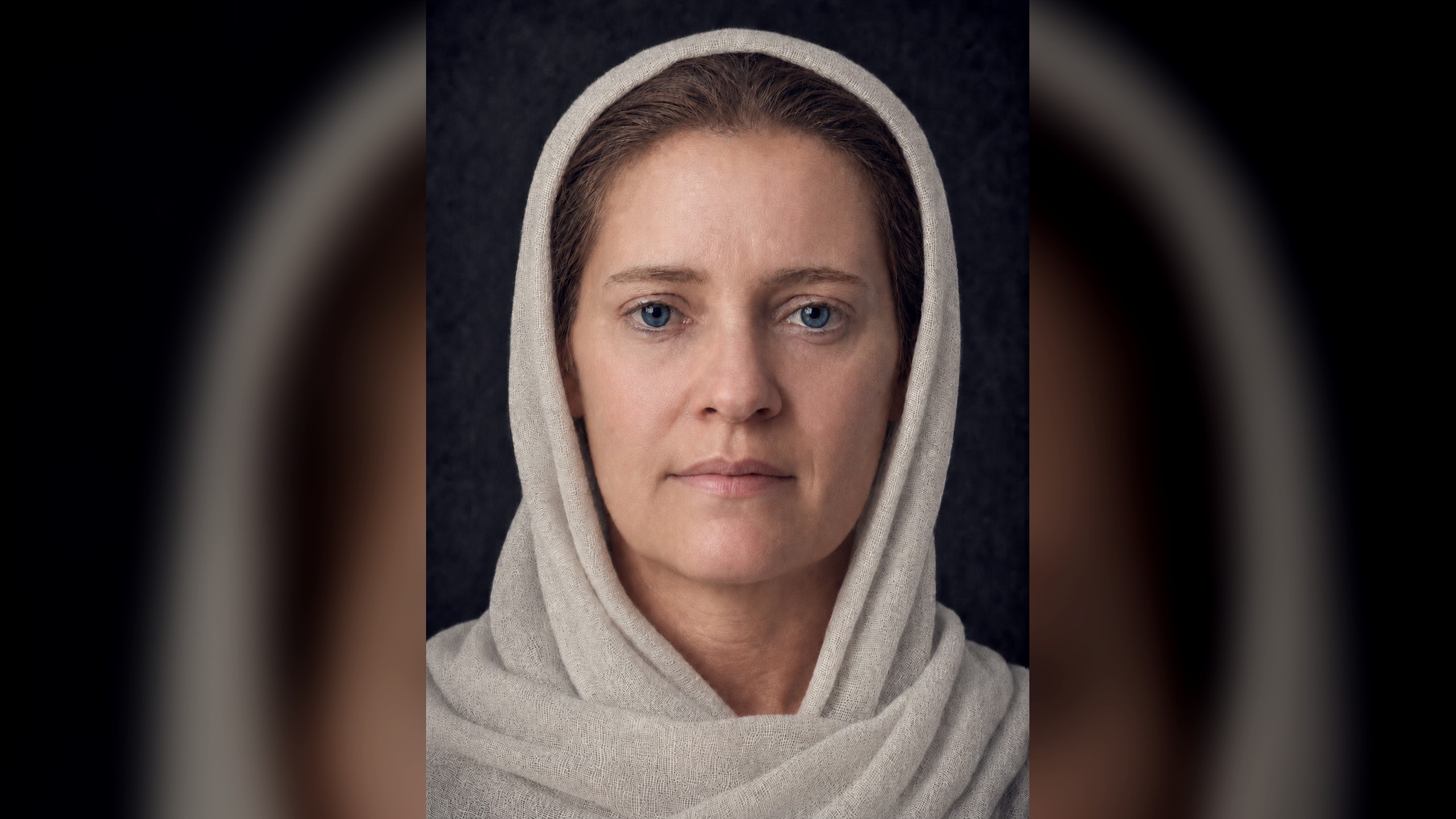
Take Lady 56.
She died at thirty. Buried in the Västerhus cemetery. With her was a scallop shell. Not a local find. That shell meant one thing: a pilgrimage to Santiago de Compostola in Spain. A trip to the edge of the known Christian world.
She wasn’t alone. Her kin group spanned three generations there. Her parents. Her brother. Her daughters. They weren’t in the same grave. But they were in the same plot. Marked out. Protected.
Västerhus was the land of wealthy owners from the 1100s to the 1300s. The main family buried close. Then they buried others near them. Different kin groups. Close ties, but separate from the main line.
DNA proved their special status. It showed who mattered. And who was just filling a winter hole.
It turns out medieval burial practices were messy. Human. They bent the rules. They mixed biology with community. They froze bodies in cellars and tossed scallop shells in the dirt.
We still don’t know why they did it exactly.