


It burns. Good.
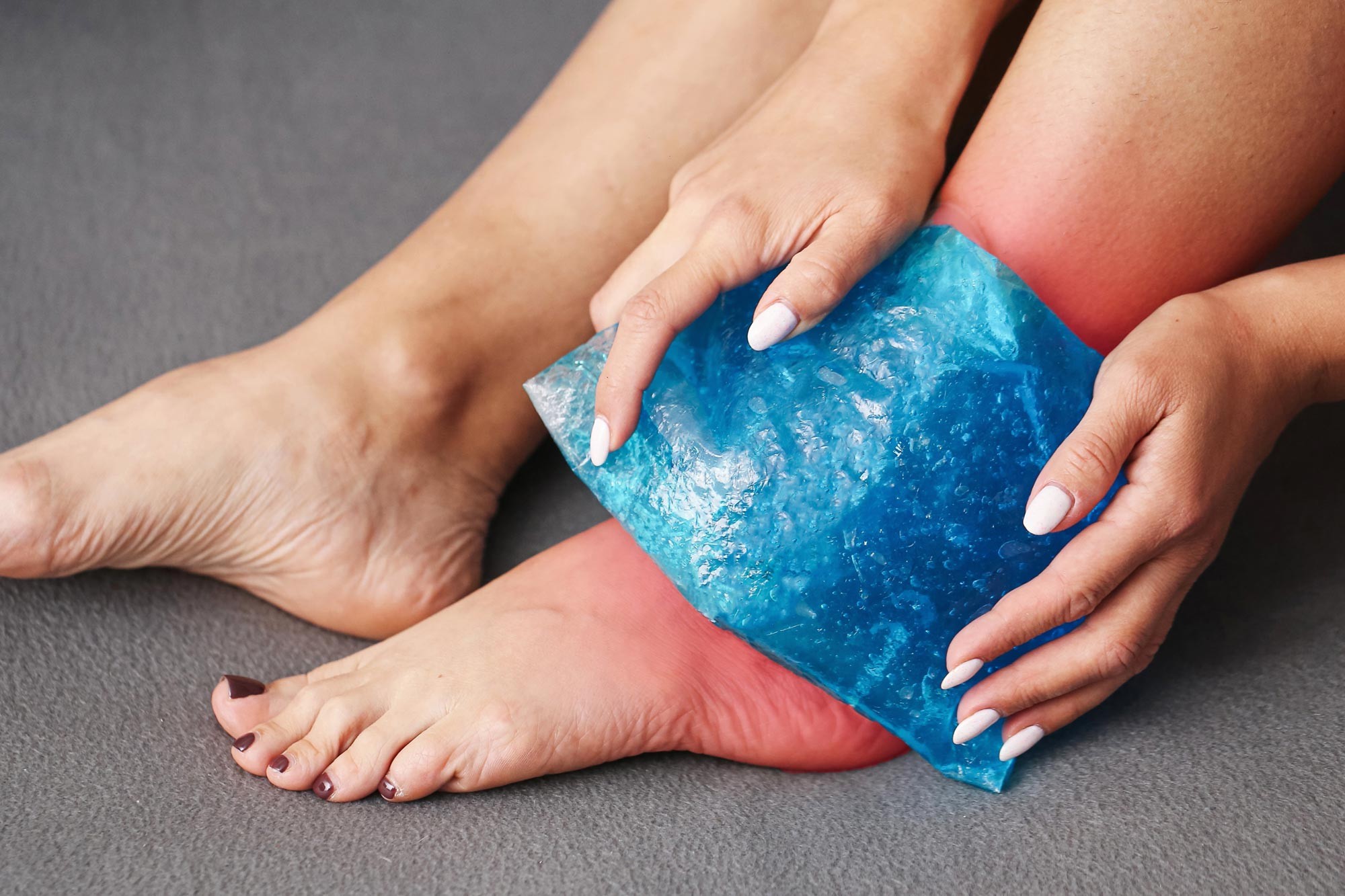
You wrap that cold pack around the sprain, press it in, and wait for the numbness to take over. It is the oldest trick in the book. RICE protocol. Rest, ice, compress, elevate. Athletes do it. Grandparents do it. You probably do it every time you tweak an ankle playing weekend pickleball.
But what if I told you you are killing your recovery?
A new study says ice might actually make the injury worse in the long run. Not immediately. You won’t feel more pain right away. The cold works like magic for that first hour. The swelling goes down. The sharp sting fades into a dull throb.
However.
The trade-off is brutal. McGill University researchers looked at mice—yes, mice, hold your horses—and found that while cryotherapy shut off the pain signals, it doubled the total recovery time. Double it. You might feel fine on day three when you should still be limping. But on day ten? You are still hurting. And the swelling never quite went away completely because you bullied your body into hiding the truth.
Lucas Lima, who led the research, called it a paradox. You treat the symptom, so you sabotage the cure. Inflammation isn’t the enemy, really. It’s the cleanup crew. The biological repair shop. When you ice the area, you freeze the crew out. You tell them to pack up and leave. And so they do. Leaving the wreckage behind for months instead of weeks.
“Treatments that reduce inflammation … may, in some cases, interpolate with the biological processes required for full Recovery”
It is a quiet revolution in pain science. For years, we trusted aspirin. Now we doubt that too. We thought non-steroidal anti-inflammatory drugs were safe staples. But earlier studies showed they prolong pain. They mask the warning lights on your dashboard until the engine blows. Ice does the same thing.
So what now? Do we just walk around in agony?
No. We get smarter. Jeffrey Mogil, the senior author, is careful here. This was mice. Humans are complicated bags of salt water, not rodents on a wheel. He wants clinical trials. Specifically, he is watching patients get their wisdom teeth pulled. If the mouse model holds true for people, the standard post-op advice gets an eviction notice.
Until then? Think before you freeze.
The next time your knee aches after a hike, ask yourself why. Is the swelling dangerous? Probably not. Does your body need to send white blood cells to fix the tear? Yes. So let it work. Maybe keep the ice in the freezer. Let it do its job. Or better yet, throw it in the trash where it belongs, right next to those expired gym membership cards.
You think you know better.
You really don’t.