


Plastic everywhere. Recycling fails here. So what now?
Hawaii faces a wall. The islands choke on plastic waste. Standard recycling costs too much. Ocean debris stays out there. Floating. Rotting. Researchers from Hawaii Pacific University are testing a radical fix. They put it on the ground. Literally. Discarded fishing nets meet asphalt. Early tests say it works. It gives trash a second life. A heavy one.
Jeremy Axworthy from the Center for Marine Debric Research (CMDR) laid it out at the American Chemical Society spring meeting.
“We want to use what we have right here.”
Moving plastic off the island costs money. Incineration costs more. Landfills are full. This isn’t about magic. It is about local pressure relief.
Asphalt Gets a Boost
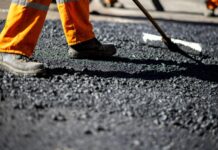
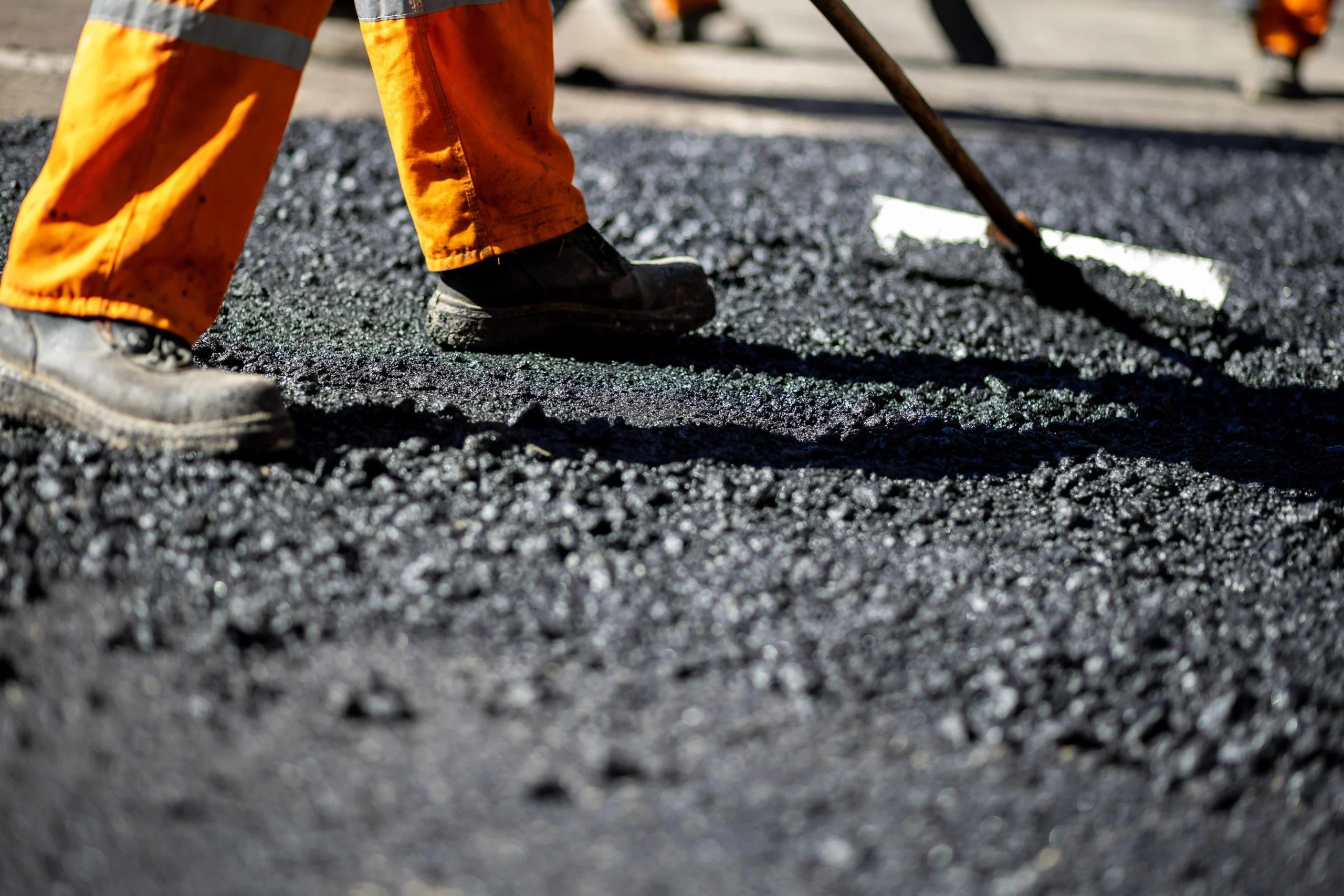
Most new roads since 2020 use polymer-modified asphalt. It handles Hawaii’s heat better. Less cracking. Less rutting. Standard asphalt is rigid. PMA bends. It uses SBS pellets—styrene-butadiene-styene—melted into a petroleum binder. That binder coats rock and sand in a spinning drum. Hot stuff.
The question lingered. Can we swap that petroleum for waste plastic?
The Hawaii Department of Transportation needed answers. Would it hold up? Would it leak chemicals? They called Jennifer Lynch. She leads the research. She deals with chemistry and ocean messes daily.
Nets Into Mixes
The DOT asked for two things. First, bring me the nets. Abandoned gear floods Hawaii’s waters.
“Foreign nets are the biggest offender.”
Lynch runs the Bounty Project. They pay fishers to haul up ghost gear. They have pulled 84 tons out of the Pacific so far. Second, check for microplastics. Does plastic road shed more than normal road?
CMDR has the tools. They can find a single microplastic in a ton of dirt. Lynch thinks it’s rare. She calls their setup impactful. Maybe even unique.
Dust Tells the Story
A US company processed the waste. They made it asphalt-ready. Pavers installed strips on an Oahu street. One strip had standard SBS. One used bin plastic. One used net plastic.
Then came the waiting game.
Eleven months of cars. Rain. Sun. Normal wear.
The team swept up dust. They needed to know what came off those surfaces. They used pyrolysis gas chromat mass spec—Py-GC-MS for short. Heavy science for a simple question: What is in the dust?
The results were clean. Almost surprisingly so.
Roads made with recycled plastic did not shed more polymers. Not more than the control. Mechanical tests backed it up. Stormwater ran clean too.
Did they find microplastics? Yes. A few. But they were barely polyethylene. Why? The plastic melts. It becomes part of the binder. When pieces break off they are rock mixed with polymer chains. Not pure plastic shards.
Tires drown out the signal anyway. Lynch admits the data shows tire wear peaks towering over the plastic signal. Gigantic spikes. She had to dig through the data weeds just to see the polyethylene at all.
Open Questions
Durability remains a puzzle. Will it crack in five years? Ten? No one knows yet. But the potential is clear. Less landfill pressure. Fewer nets in the sea.
“Some people call recycling a hoax.”
Lynch disagrees. She says society has to want sustainability for it to work. This project shows it is possible. Just barely. For now.
Funded by the DOT. Presented in 2026. The road goes on.