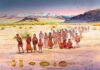



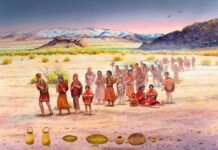
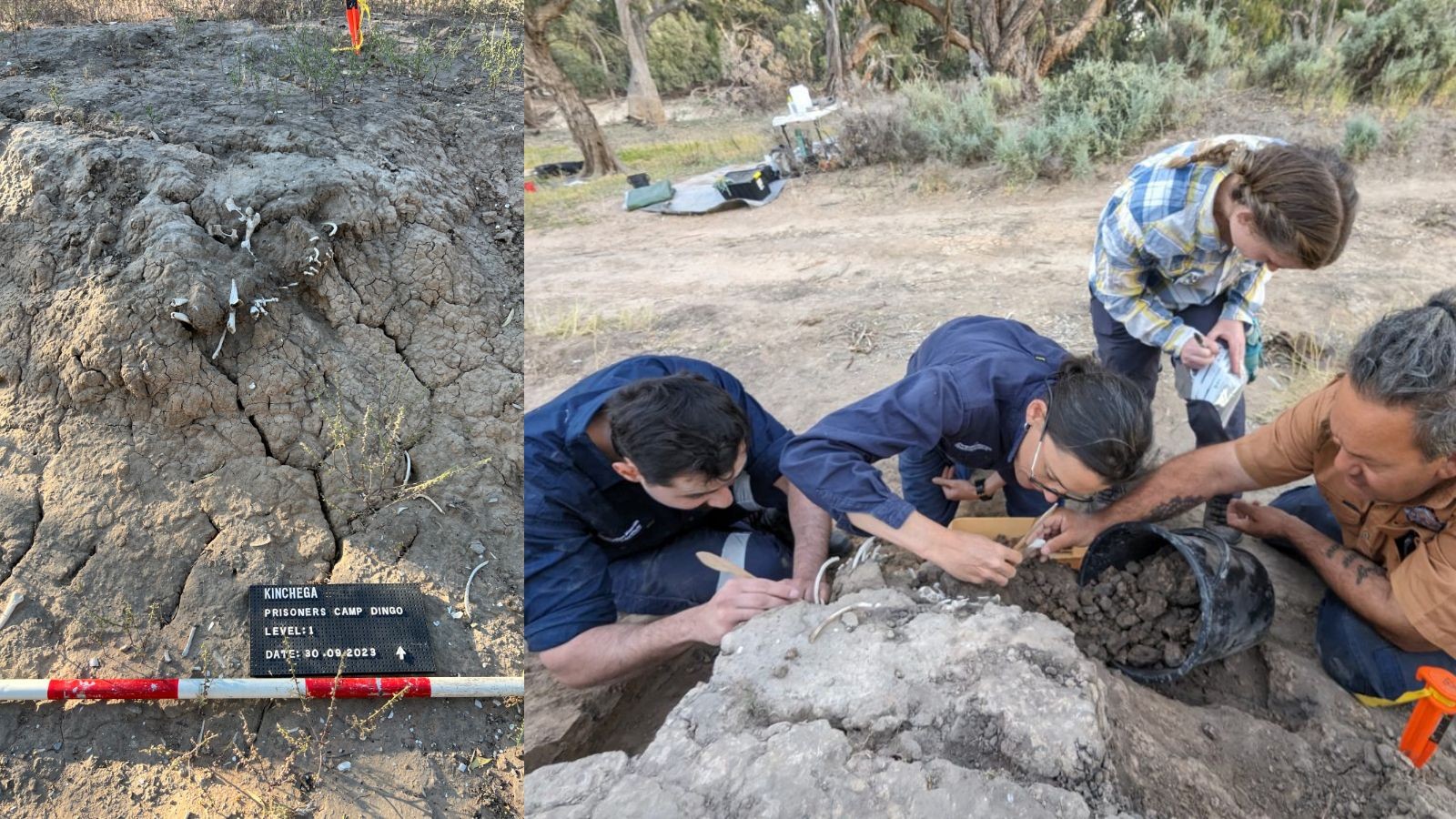
It starts with mussels. Not a feast, but shells. Pile upon pile of waste, discarded and heaped up over nine and a half centuries in Australia’s western New South Wales. To most archaeologists, that pile was just trash. A midden. But for the Barkindji people and their ancestors? It was food. Ritual food.
A new study claims this 950-year-old site holds the world’s first clear evidence of humans ritually “feeding” a grave.
The buried animal wasn’t a human leader. It wasn’t royalty. It was a pet dingo. Male, aged between 4 and 7, likely treated well enough to heal from a kangaroo kick, only to be remembered long after it died. The symbolic feeding—dropping river mussel shells onto its resting place—didn’t stop. It went on for 500 years.
That is persistence.
Why bother? The Barkindji didn’t just see this dog as an animal. They saw a “garli”—an ancestor, a companion, something worthy of generational memory.
“It tells us that this relationship is truly strong and retained through time,” said Amy Way, an archaeologist at the University of Sydney. She notes the practice mirrors offerings made to shrines in other cultures. Gifts. Respect. Returning to a sacred spot to show you still care.
Loukas Koungoulos, lead author from the University of Western Australia, stressed this interpretation only came through because of Indigenous input. Without the Barkindji elders, researchers might have just cataloged another pile of mussel shells and moved on.
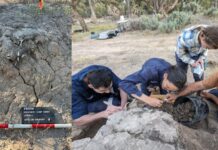
The bones tell their own story too. Erosion took the skull. Floods were the enemy. So, when Uncle Badger Bates and Dan Witter flagged the site 25 years ago, time was running out. The Elders Council called in archaeologists to save what was left. Good call.
Close inspection revealed the dingo’s life wasn’t entirely peaceful, but it was cared for. Its teeth were worn down by a relatively long life. It had healed injuries—right ribs, one leg. Marks consistent with being kicked. By a kangaroo. Most dingos would die from that. This one didn’t. Someone tended to its wounds. Someone let it live.
Then came the burial. And the mussels.
Researchers dated four shell fragments. Three were centuries younger than the dingo’s remains. Proof. The layers weren’t accidental. Each layer represented a visit. A new generation showing up at the same spot, dropping shells on the midden, acknowledging the garli that came before.
We thought we understood how Aboriginal ancestors buried their pets along the Darling River. We were missing this specific detail. The ritual maintenance of the grave itself.
Is it strange that we feed our dead pets now, buying biodegradable boxes or planting trees in their names? Not really. But doing it with mussels? Doing it for 500 straight years?
It suggests a connection to the land, and to animals, that is harder to break than stone. Or maybe just as hard.
The dingo is gone. The shells remain. We still don’t fully grasp the depth of that quiet, muddy ritual.