
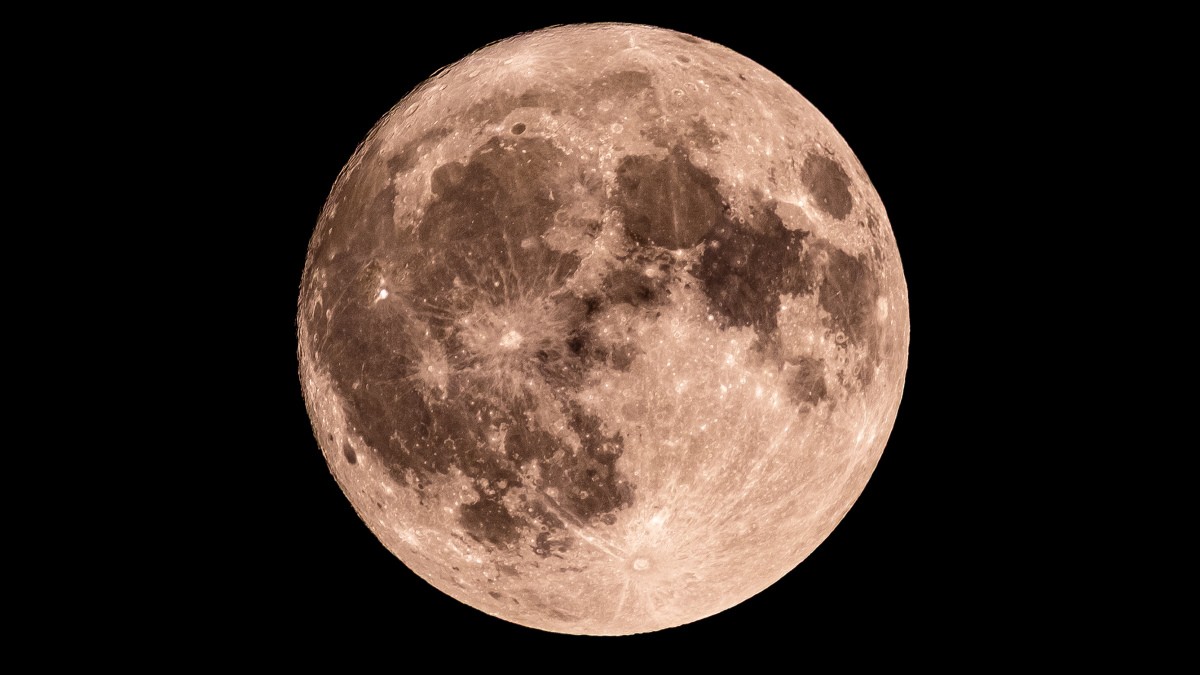
Tomorrow it happens. The Full Moon rises, and it’s a Blue Moon. That doesn’t mean it’s blue, obviously. Just that it’s the second full cycle this month. Two Full Moons in one calendar month is rare enough to get people talking, even if they haven’t looked up since March.
Tonight’s Look
Right now? We’re stuck in Waxing Gibbous mode.
By Saturday night, May 30, ninety-nine percent of that gray face will be lit up. NASA’s Daily Moon Guide calls it close to perfect. Close, but not quite there yet. You don’t need gear to see it, just a decent window and maybe some patience.
With bare eyes you’ll catch the Mare Vaporum (the Sea of Vapor) and the bright patch of Aristarchus. Maybe Mare Fecunditatis if the haze clears up. Step up to binoculars? Good. Now you can spy Mare Frigoris and the jagged Apennine Mountains. Don’t forget the giant Clavius Crater looming near the rim.
If you’ve got a telescope and the patience to wrestle it out of the garage, you can actually see where Apollo 12 and Apollo 17 parked their moon buggies. You might even catch Rima Ariadaeus, a rille that snakes across the surface.
When Does It Peak?
Tomorrow night, May 31, it finally fills out completely. That’s your deadline if you want to catch the full drama. There are two Full Moons squeezing into May because the calendar months are rigid but the moon isn’t. The lunar cycle doesn’t care about New Year’s resolutions.
The Mechanics
NASA says the Moon takes 29.5 Earth days to circle us. It’s a loop. Eight phases repeat like a stuck record, only the lighting changes. The same face always points at Earth, sure, but the Sun hits it from different angles as we spin.
This shift in angle creates the shapes we see. Thin slivers, halves, and then the bright plate of a Full Moon.
It’s just geometry, really.
- New Moon — It sits between Earth and Sun. We see the dark side. Invisible, unless it’s an eclipse.
- Waxing Crescent — A sliver of light creeps in on the right. (Northern Hemisphere viewers.)
- First Quarter — Half-lit on the right. It looks exactly what it is, a quarter of the way through the cycle, not half.
- Waxing Gibbous — Growing fat. More than half, less than all.
- Full Moon — The whole face shines. Maximum brightness.
- Waning Gibbous — Light starts bleeding away from the right edge.
- Third Quarter — The left half lights up now. Another half, opposite orientation.
- Waning Crescent — One last sliver on the left before the lights go out completely.
Why do we track it anyway? Maybe just because looking up costs nothing. And tomorrow, at least, it’ll be pretty obvious where to look.