



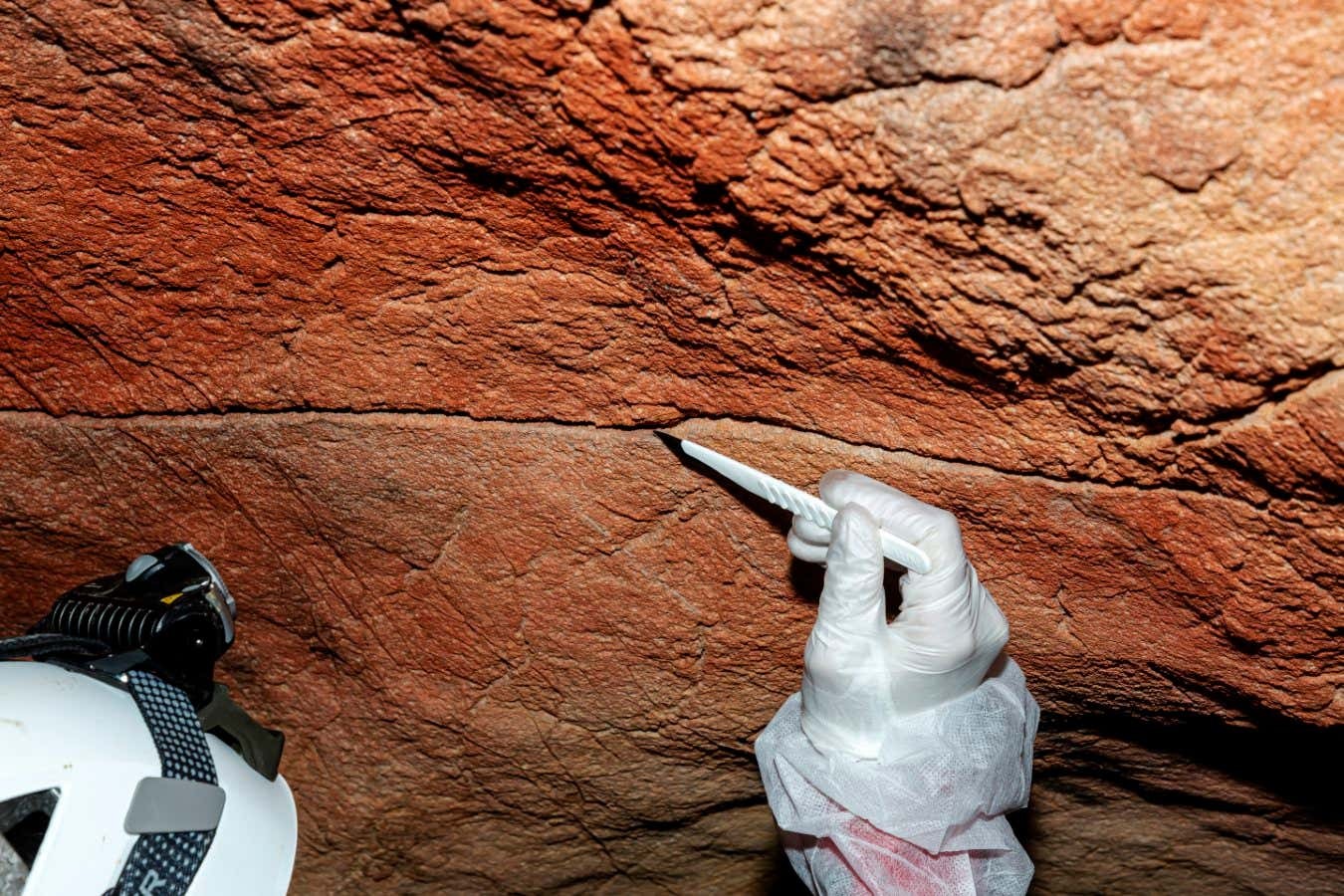
Ancient human DNA survives on cave walls. Thousands of years. It just sat there, waiting. A new study confirms this after scraping paint from sites across Spain and Portugal. It changes the game for prehistory. Maybe we can finally ask if Neanderthals held the brushes too.
“It’s the start of a new era.” — Genevieve von Petzinger
She thinks it’s extraordinary. Not because it’s cool. Because it’s real. We might actually meet the artists. The individuals who stood in the dark and mixed ochre.
The hunt for ghosts in the paint
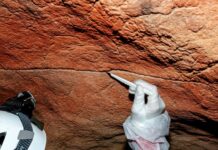
From 2022 to 2025 a team from the First Art project did the digging. Or rather, the scraping. They sampled eleven caves. Mostly in Iberia. They looked for the oldest stuff. Triangles. Dots. Hand stencils. The kind of art made by spitting red paint onto stone or smearing it with bare fingers.
Fingerprints. Literal genetic fingerprints.
We’ve known for ten years that dust on the cave floor holds ancient DNA. Sediment keeps secrets. Walls? Never before. Until now.
The big win came at Escoural cave in Portugal. A semicolon shape in red pigment. It had human DNA. Alba Bossoms Mesa called it a happy surprise. First time ever finding ancient genetic material on the vertical surface. But hold up. Is it the artist’s? Could be a guy who sneezed near the wall three millennia later. Could be a visitor who leaned against the stone and left skin cells behind. We don’t know yet.
“It is as though the cave wall have become the pages of a blanket book that… we will be able fill with new discoveries.”
Hipólito Collado Giralto said it nicely. He’s an archaeologist in Extremadura. He wasn’t alone in being stunned.
Here is the weird part. The controls failed. The researchers scraped blank spots. No art. Just bare rock. They found human DNA there too. Leftovers from prehistoric tourists rubbing up against the stone. “Absolutely astonished,” Collado said. This means walls are data mines even if no one drew anything. No painting required. Just touch.
And the DNA was clean. Not mixed with animal guts like the dirt on the floor. Just human. Direct contact.
Who touched the stone?
Three samples came from females. One from a male. They match Western Hunter-Gatherers. A group that walked around Europe from 5,200 to 10,700 years ago roughly. Maybe older. Escoural got sealed up four to five thousand years back so the genes are at least that old. Harder to date them precisely because the samples are so tiny.
But one sample out of twenty-four panels is not much. Low success rate. Alba admits it’s bad right now. Maybe the DNA degrades fast on rock. Maybe extraction needs work. We are honing the craft.
Still the implications are messy. Excavations destroy things. You dig you remove history forever. This way we read without breaking.
What comes next
First Art is back in Spain this month. Nerja. Ardales. Places linked to Neanderthal art. If we can find Neanderthal DNA on those walls, everything changes. Was it them? Did Denisovans draw the hands in Indonesia? Can we tell if the men and women worked together on one panel?
Francesco d’Errico says the potential is huge. He wasn’t part of the study, but he gets it. The walls speak if you know how to listen.
Or maybe they just stay silent. Maybe preservation is a fluke. One happy accident in Escoural doesn’t mean every cave wall will yield secrets. We’ll see. The technology gets sharper. The samples get better. Or maybe we find nothing at all next time.