




We like to imagine that the job of an actor offers a golden mean between poverty and extreme wealth. You get a credit, get paid, and if you’re lucky, you might even retire to a beach house on a remote island. But that illusion is shattered when the network cancels the show. Can a minor character in a niche sitcom really fund a tropical lifestyle with his residuals?
The short answer is “no”. The long answer is complicated, bureaucratic and often disappointing.
In the television industry, these post-show payments are known as residual payments. These come into play whenever a show is rebroadcast, sold into syndication, released on DVD or shared on a streaming platform. These rules are not just set by the studio. They are regulated by SAG-AFTRA (Screen Actors Guild – American Federation of Television and Radio Artists). Think of them as tax collector for fame, the same way BMI and ASCAP deal with music royalties.
The Math Behind the Money
SAG-AFTRA uses a strict formula to determine pay. Contracts are important. The size of the character is important. The market in which the program is broadcast is important. But time is the enemy of residual income.
The fee structure is designed to wither away. The first reruns are the most rewarding. By the 13th rerun, your check will be reduced to 5% of the original price of the episode. That 5% stays the same forever, but it starts small.
On top of that, you usually have to be a principal performer to get paid. Background actors, the nameless stormtroopers of The Mandalorian, or the crowd members in a crime procedural. They work, they get paid for the day, and that’s it. The remains are reserved for faces with names in the subtitles.
The ‘Friends’ Illusion
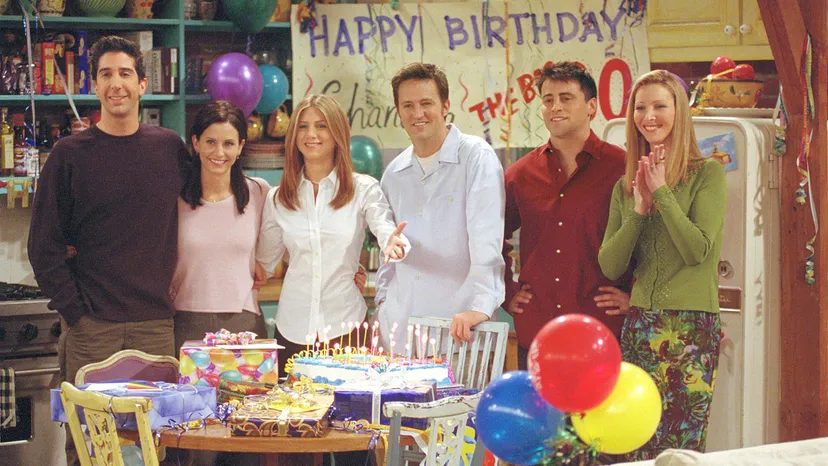
This is where the math dazzles. Take the cast of Friends for example. This is a cultural touchstone, a huge production that has been repeated for decades.
If the six stars were paid strictly at the standard SAG-AFTRA rate for 236 episodes, the net profit for each episode would be about $10,000. Multiply that by the number of reruns and each actor would theoretically be paid $2.36 million.
However, they didn’t get “standard”. they negotiated. The “Friends” cast deals reportedly bring in nearly $20 million a year in syndication revenue. This is an anomaly. This is the exception that proves the rule.
Other people’s reality
For the majority of actors, the residual was a rounding error.
Dawn Wells, best known for her role as Mary Ann on Gilligan’s Island, dispelled this myth in 2016. She pointed out that although there were reruns roll in endlessly, the actors did not receive the bulk of the cash. Producer Sherwood Schwartz is said to earn $90 million from syndication of the series. Cast? Barely a dime.
Then there is the bit players.
Drake is now a global superstar, but he got his start as a teenage actor on Degrassi: The Next Generation. In 2016, he posted a photo of the actual residual check. The price is 8.25 CAD (about $6.58 USD). with sarcastic pride, he noted that the “Degrassi money” is still coming in. The amount was not even enough to buy lunch, let alone a vacation home.
Jeff Cohen took it a step further. He received a residual check for $0.67. He didn’t deposit it. He took it to a bar called Maeve’s Re$iduals. The bar’s policy is that anyone with a SAG-AFTRA check of $1 or less gets a free drink.
So can you live on residuals? Unless you are a master negotiator or one of the few ensemble leads in a globally dominant hit. For others, a residuals does not buy freedom. They bought a beer. In some cases, that’s all you need.