





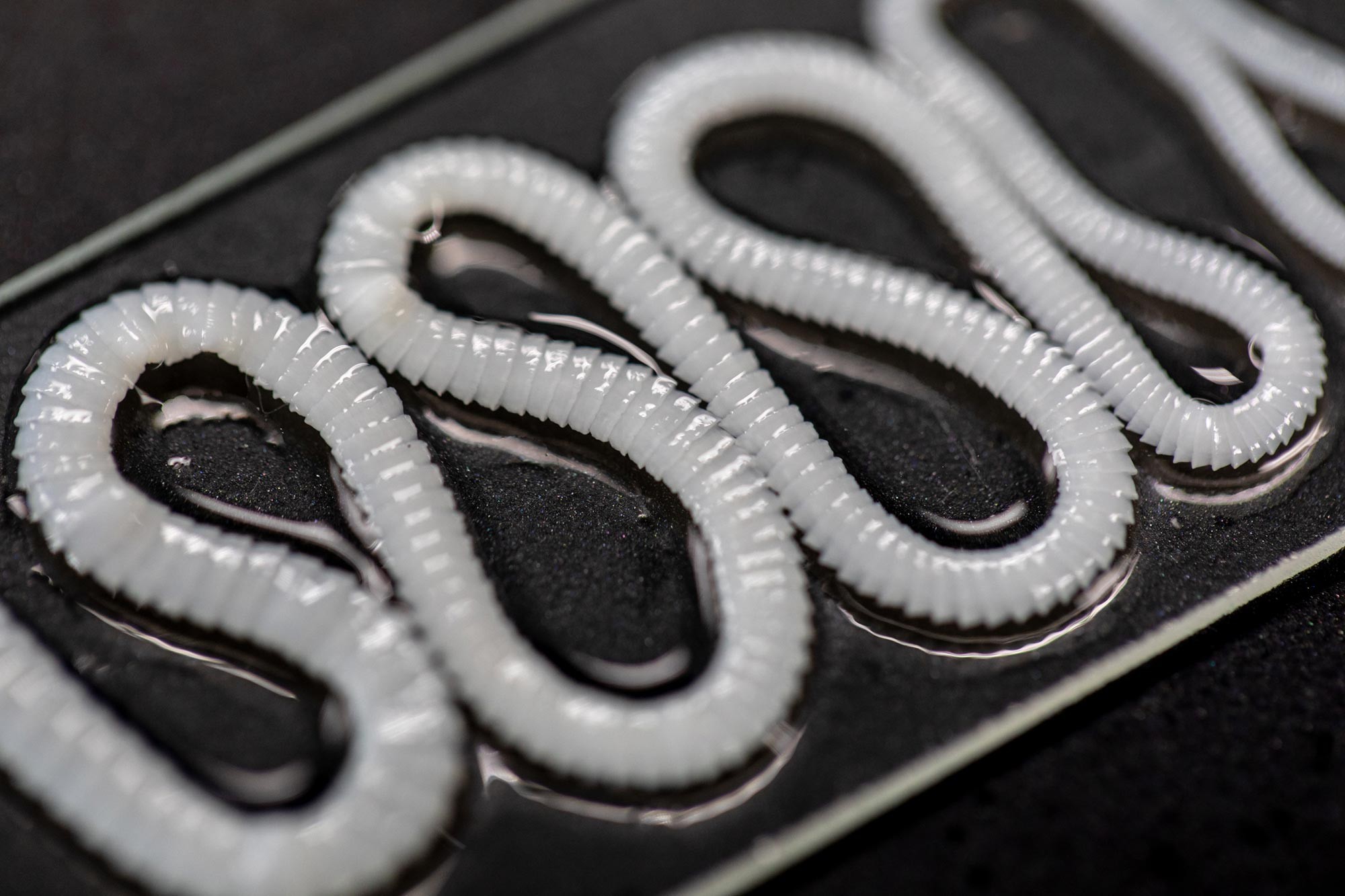
A dangerous parasite. The kind that builds cysts. Cancer-like growths. Echinococcus multilocularis is here.
It reached the Pacific Northwest recently. First detection in wild animals on the U.S. West Coast, specifically Washington State. Scientists looked at 100 coyotes near Puget Sound. They found the tapeworm in 37 of them.
One third.
“The fact that we found it in one-third of coyotes was surprising.” — Yasmine Hentati
Hentati just finished her PhD at UW. She leads the new study in PLOS Neglected Tropical Diseases. This parasite has been spreading. For 15 years. It started in Canada. Moved through the Midwest. Now it is on the door step.
Europe knows this disease well. Asia too. North America ignored it. Or didn’t notice. Until now.
How it moves
The life cycle is messy. Coyotes carry the adult worm in their gut. They pee out eggs. Actually poop out eggs. Rodents eat the dirt or plants near the poop. They eat the eggs.
Then the eggs travel. They go to the liver. They turn into cysts. The rodent dies. Or gets weak. A coyote eats that sick rodent. The cycle starts over.
Humans? Dogs? We are accidents. Dead ends mostly. But we still get it. You swallow the eggs. From dirty hands. From contaminated food. Or maybe you played in dirt with dog feces on it.
You get alveolar echinococciosis.
Symptoms take five to 15 years. Imagine waiting that long. By then the cysts spread through the body. The World Health Organization calls this one of the top neglected diseases. Food-borne. Globally important.
Dogs are different. They might just carry the worm silently. Or they get sick. Like a person. Depending on when they get hit.
Protect the pets
What do you do? Don’t let your dog hunt mice. Do not let them eat carcasses. Verocai from Texas A&M says it plain. Stop the scavenging.
Also use deworming meds. Regular vet visits. Test for worms. It sounds standard because it is.
There is good news. Sort of.
Only seven dog cases in Washington, Oregon and Idaho since 2028. No humans sick on the West Coast yet. The infection is mostly in coyotes right now. They eat raw rodent livers. Domestic dogs usually do not.
So the gap exists.
Where did it come from?
It is likely the European strain. More infectious than the old tundra version seen in Alaska decades ago. Genetic tests confirm it. Why? Maybe foxes brought here 100 years for hunting? Or dogs entering without deworming laws. The US and Canada don’t force it. The parasite slips through borders easily.
“The parasite is here.” Hentati warns.
Prevalent. Common enough in coyotes to matter. Watch your pets. Watch the soil. It is a slow threat. A quiet one. But the cysts grow. And we do not always know until it is late.